São Paulo's Rodoanel Norte
As part of the Rodoanel Norte program in São Paulo, I worked on the structural assessment of multiple viaducts and bridges, producing technical reports that translated inspection and survey data into actionable guidance for the design and rehabilitation teams.
The core task was not inspection alone, but engineering interpretation. For each structure, I analyzed existing inspection records, pathological surveys, dynamic test results, and original design documentation to determine whether observed anomalies indicated structural insufficiency, construction-related defects, or durability-driven degradation. In several cases, this desk-based analysis was complemented by field visits, where additional measurements, visual checks, and local observations were collected to clarify uncertainties and better understand the actual structural condition.
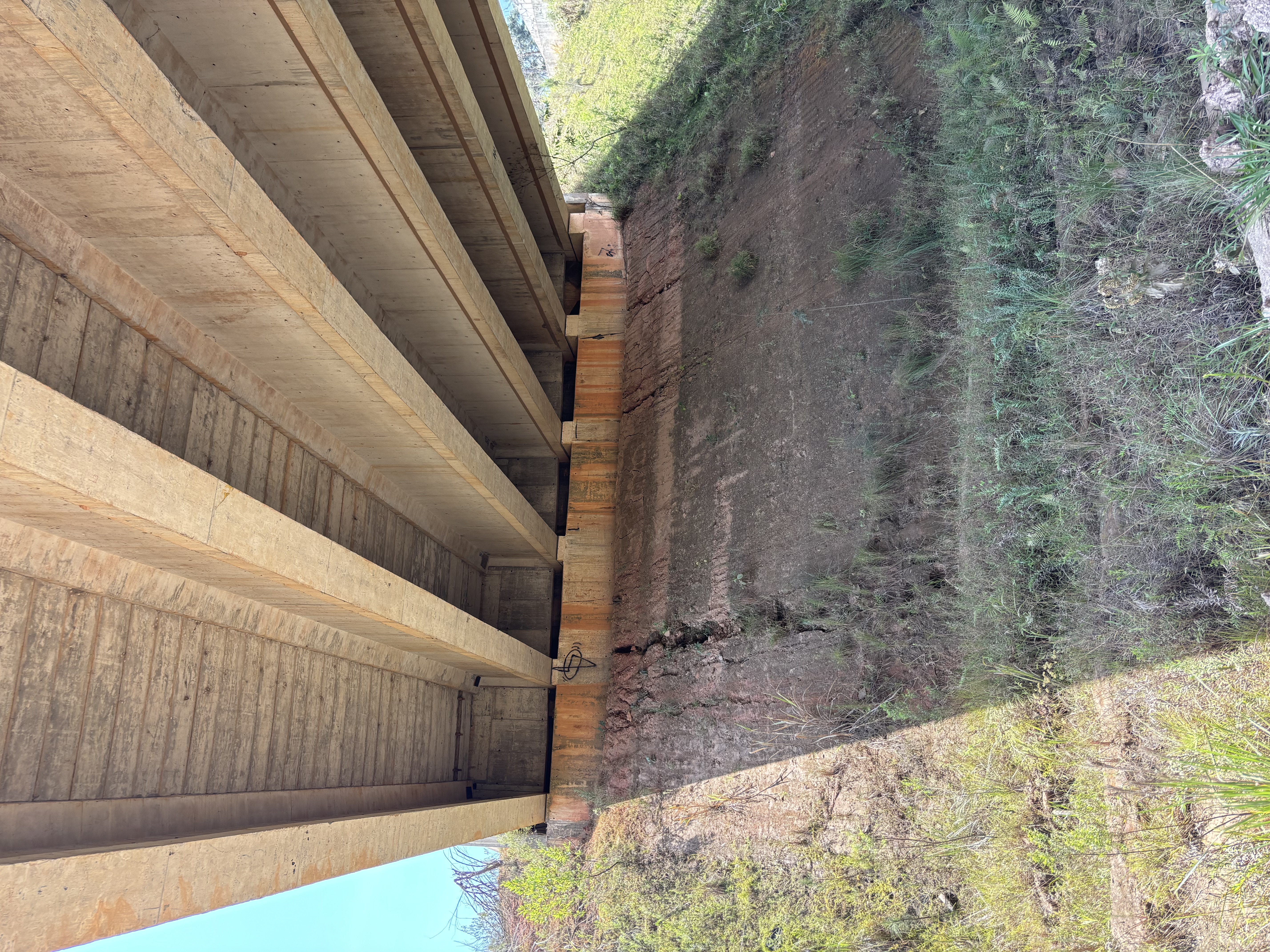
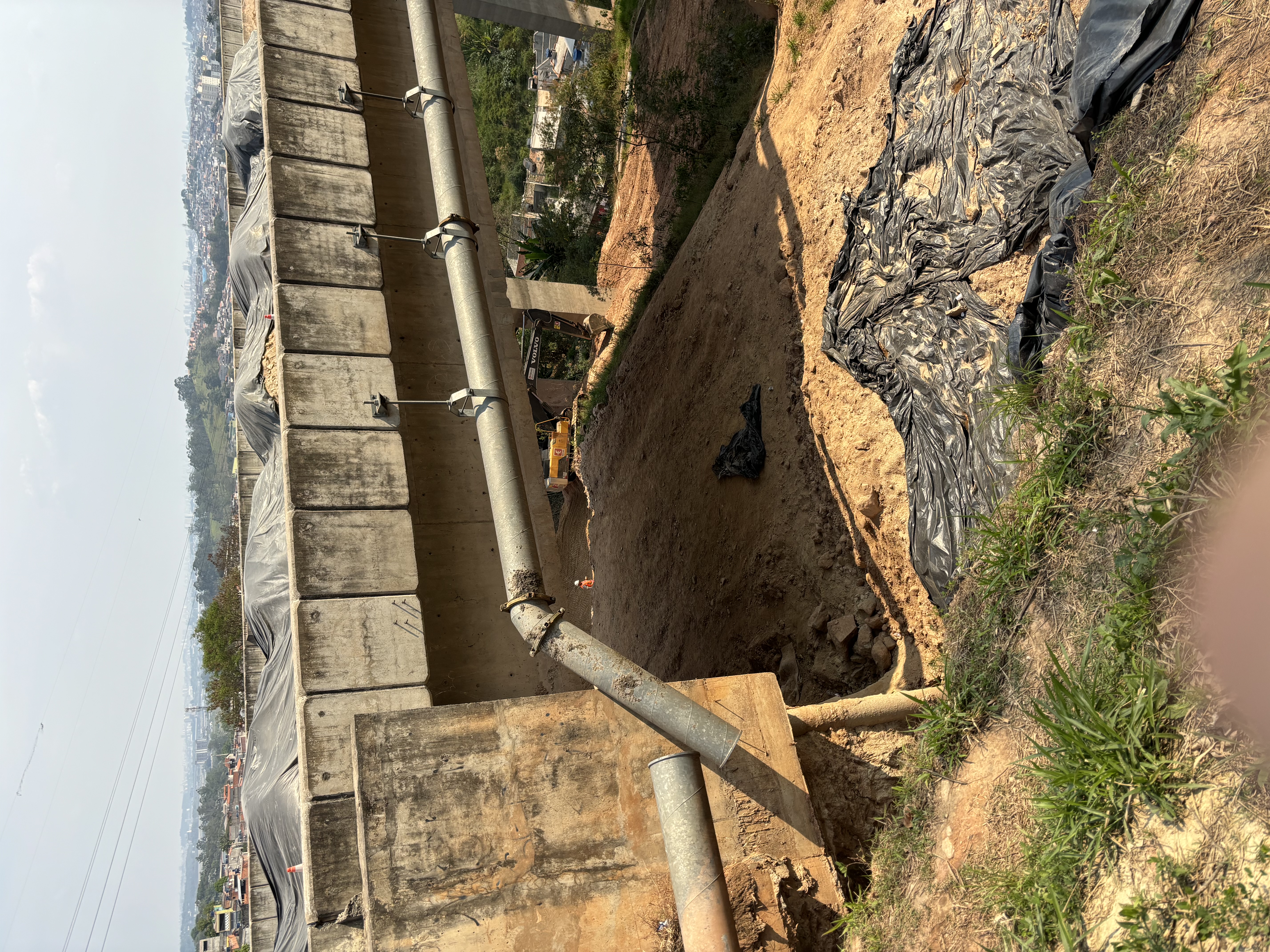
A recurring challenge across the assessed structures was the need to reconcile heterogeneous and imperfect data. Visual inspections, material degradation reports, dynamic measurements, and legacy project information often differed in resolution, reliability, and format. The resulting reports therefore made assumptions explicit, documented confidence levels, and traced the reasoning that connected observed conditions to recommended interventions. In multiple cases, observed pathologies were shown to be compatible with expected structural behavior, supporting targeted durability measures rather than unnecessary strengthening.
Although each report focused on an individual viaduct or bridge, the work was inherently fleet-oriented. Similar components—bearings, prestressed girders, deck systems, drainage elements—recurred across multiple structures, allowing patterns to be identified in degradation mechanisms, inspection findings, and effective intervention strategies. This highlighted how consistent interpretation across assets can inform network-level maintenance planning.
Tool: survey-info
To address the difficulty of interpreting and comparing heterogeneous geotechnical information across multiple structures, I developed survey-info, an AutoLISP utility that converts geotechnical drilling data from CSV files into standardized survey stake drawings in AutoCAD. This helped structure raw subsurface data into consistent visual representations, supporting comparative assessment and reducing ambiguity in foundation interpretation.
This work highlighted the gap between the aspiration of data-driven Structural Health Monitoring (SHM) and the reality of inspection-based practice. Engineering decisions regarding structural health are rarely determined by a single measurement or clear anomaly; they arise from the integration of weak, uncertain signals, contextualized by design intent, field observations, and operational constraints.