Analog photography
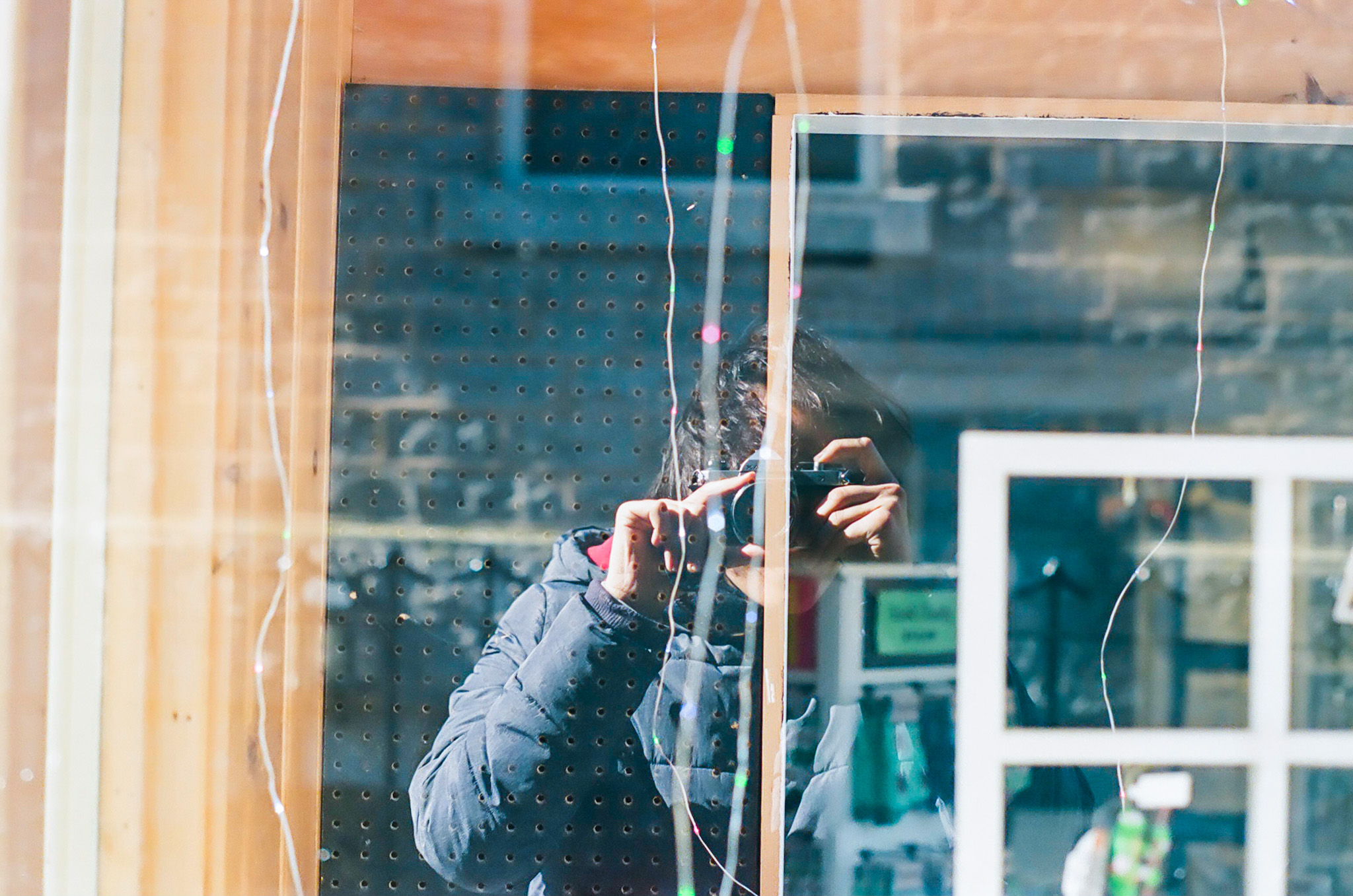
My journey with analog photography started in 2017, when I found my aunt's old Pentax K1000 lying around in our house. It was beautiful, but in need of repair.
I soon took it to the last local shop in Brasília that still handled fully mechanical cameras. I got lucky, because it has since closed.
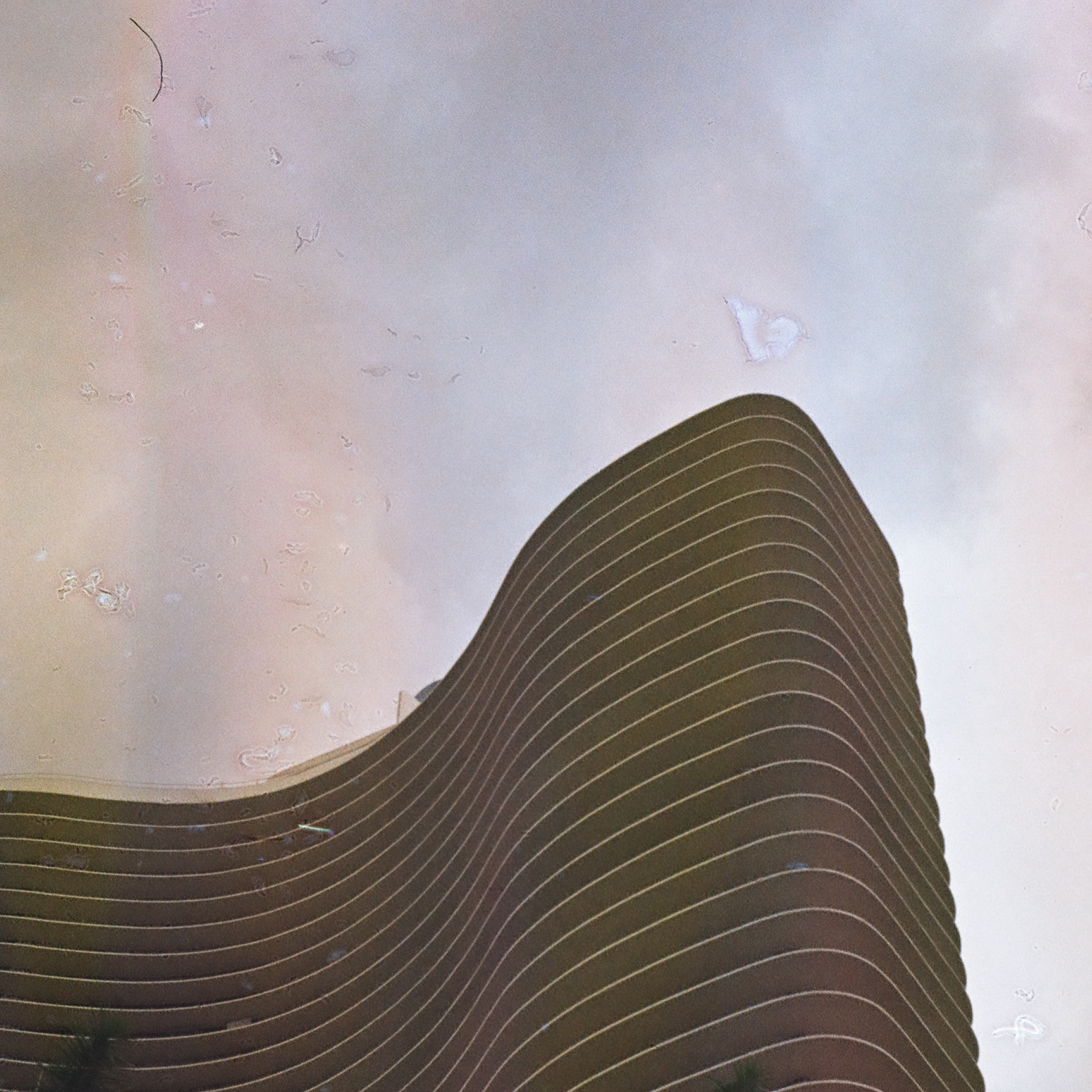
For the first roll, I chose to go with a friend to Brasília's modernist epicenter at dawn. Golden hour would have to compensate for our lack of experience.
The first roll led to the second, that led to the third, and so on. I attribute this obsession to the need to see the results. Absence is a large part of the magic of shooting analog.
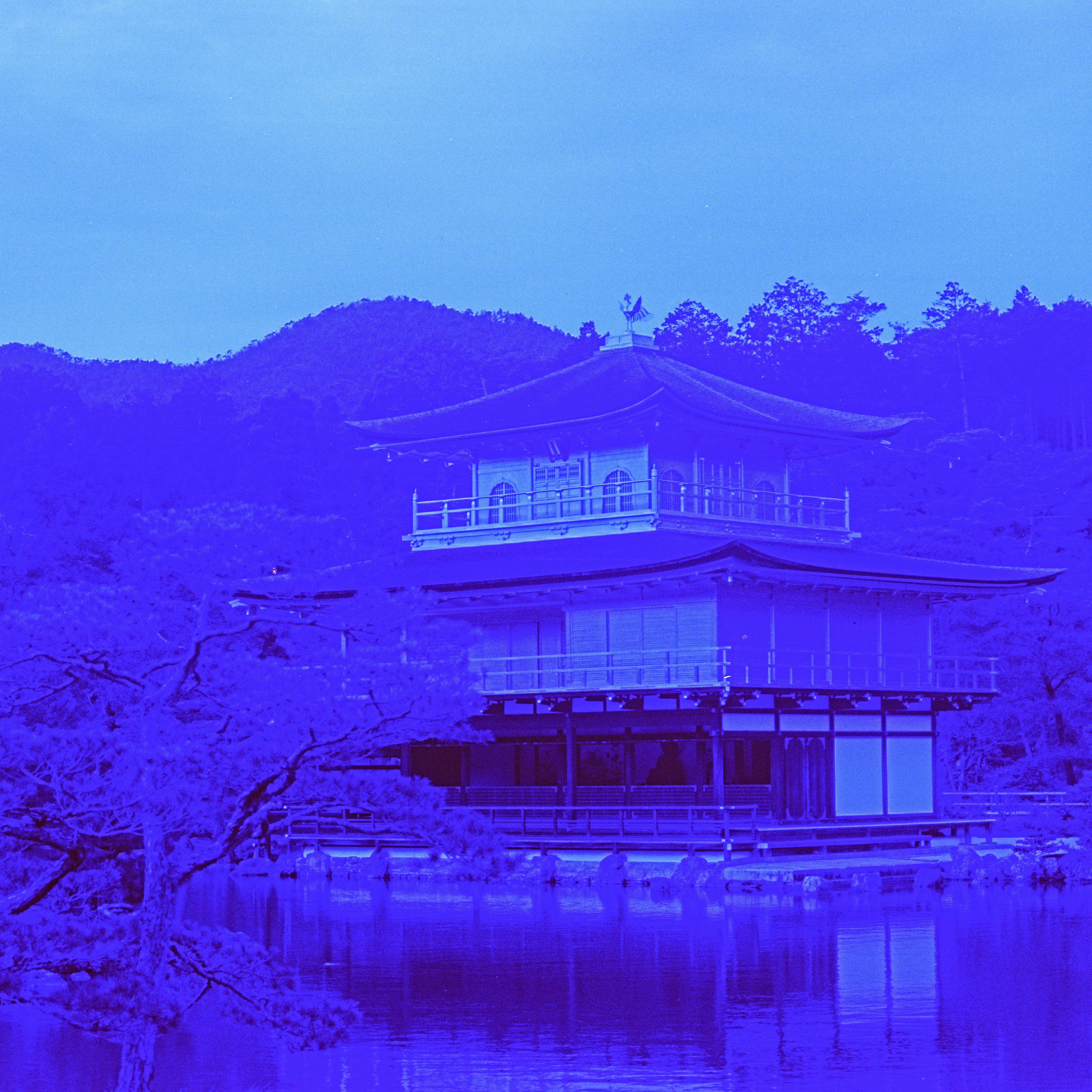
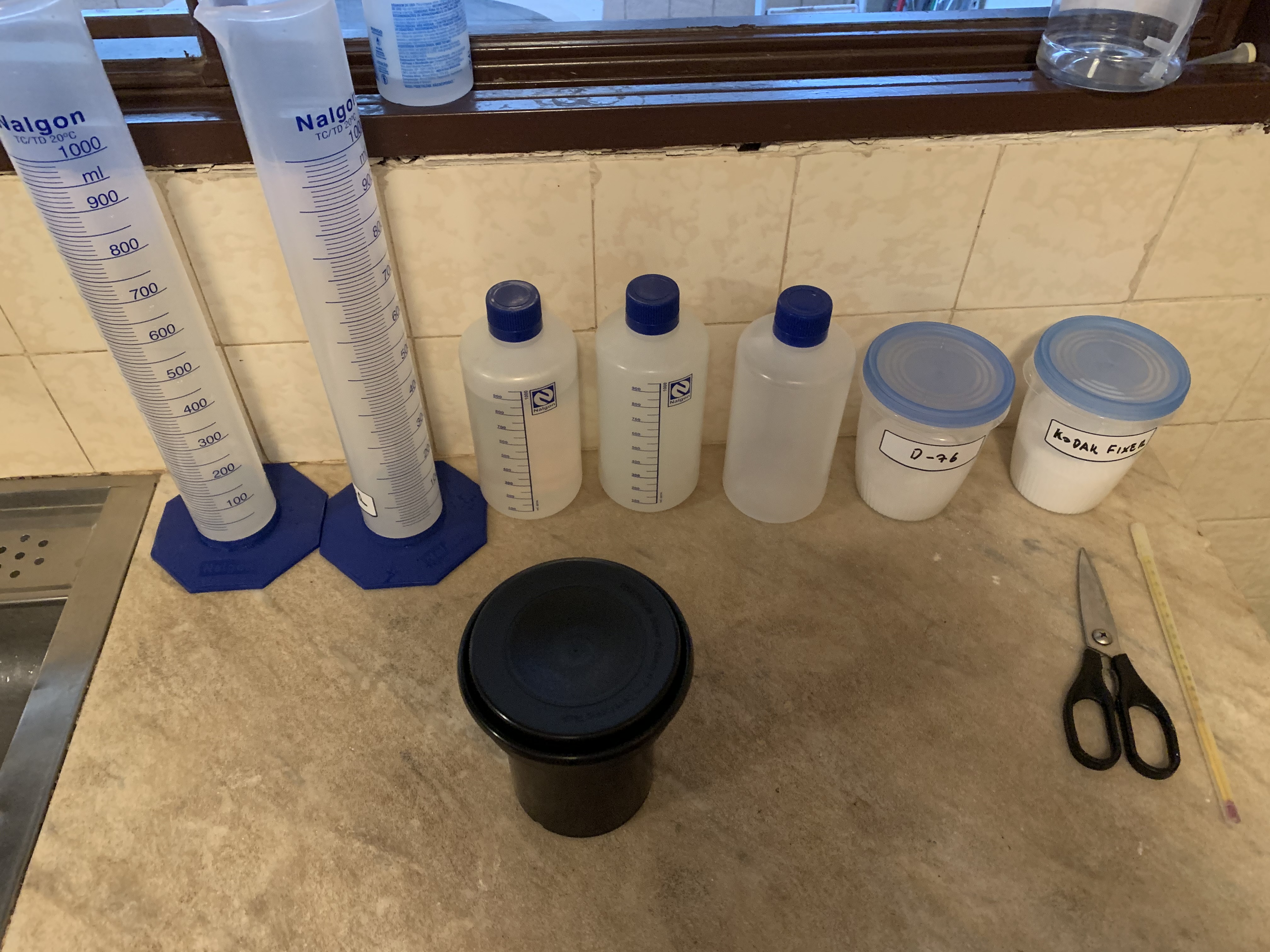
Later, I would also learn how to develop my own film and began experimenting with interesting processes such as film soup. There is a weird satisfaction in mixing different chemicals to a roll of film and imagining the tiny silver crystals dissolving and reacting into unexpected colors.
Looking back, I can see how photography, and especially fully mechanical analog photography, fundamentally changed my vision of reality. First there's the frame. Even in the simplest landscape or human interaction, there's an opportunity to show your point of view to the world. Printing your window is, in one way or another, proof of your existence. Second, there's the physics. I can only say that I truly began to understand the physical behavior of light after having tried to control it with shooting and developing. It becomes intuitive: reflection, refraction and diffraction, even the wave-particle duality.
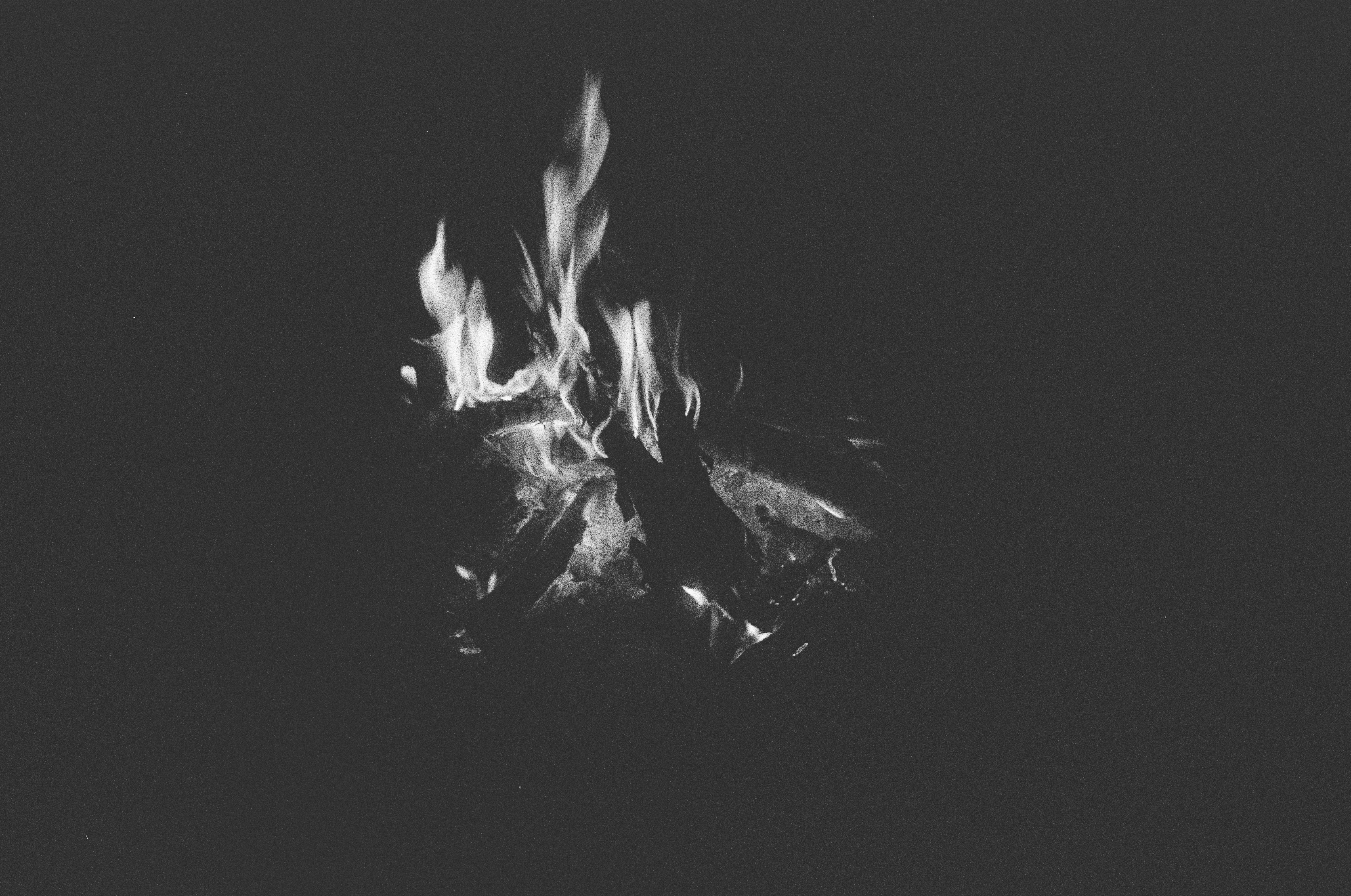
Nowadays, I'm rarely seen without my Olympus Mju. It has been a pleasure to be asked to photograph a few weddings for friends and family, as well as to freeze memorable moments on vacation. Recently, I have taken to turning these photographs into portrait gifts.